English
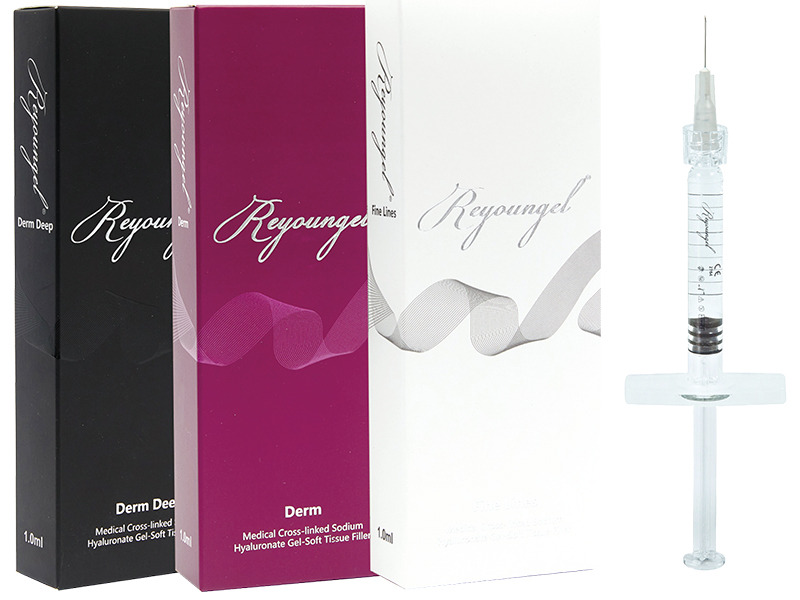
In the dynamic world of medical aesthetics, a silent concern permeates global markets: aging anxiety. Consumers are actively seeking safe, effective, and accessible solutions to combat the first visible signs of time. For distributors, brand owners, importers, and wholesalers, this isn’t just a social trend; it’s a monumental business opportunity. Leading this charge is the innovative category of Fine Line Fillers, and at the forefront stands Bioha, China’s pioneering cross-linked HA dermal filler brand developed for the global stage. This is more than a product; it’s a partnership for growth in a high-demand sector. Bioha supports global partners with scalable supply and service capabilities.
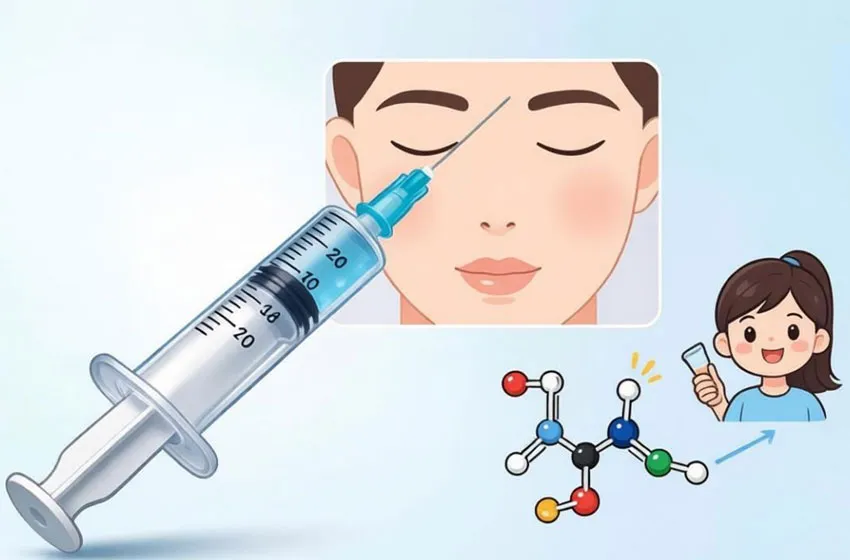
Fine line fillers are dermal fillers engineered for superficial dermal placement to correct thin, early wrinkles with a natural look and minimal visibility risk.
Not all hyaluronic acid fillers are created equal. The skin around the eyes is the thinnest and most expressive on the face, requiring a product with unique properties. A filler that is too viscous or has large particles can lead to lumps, visibility, or an unnatural look. Bioha Fine Line Filler is engineered with scientific precision for this exact challenge.With a meticulously calibrated particle size of .10-.15mm and a smooth, injectable gel consistency, it integrates seamlessly into the superficial dermal layers. This allows clinicians to target thin superficial lines—such as periorbital lines (crow’s feet), worry lines, and perioral lines—with unparalleled accuracy. The result is a natural, refreshed appearance that patients desire. For our partners, this translates to a product that is easy for practitioners to adopt, reduces the risk of complications, and ensures high patient satisfaction. This reliability builds clinic loyalty and repeat orders, directly impacting your bottom line. By offering a specialized tool, you empower your clients to expand their service offerings and capture a wider patient demographic concerned with early signs of aging.
Background reference: Hyaluronic acid (HA) — https://en.wikipedia.org/wiki/Hyaluronic_acid
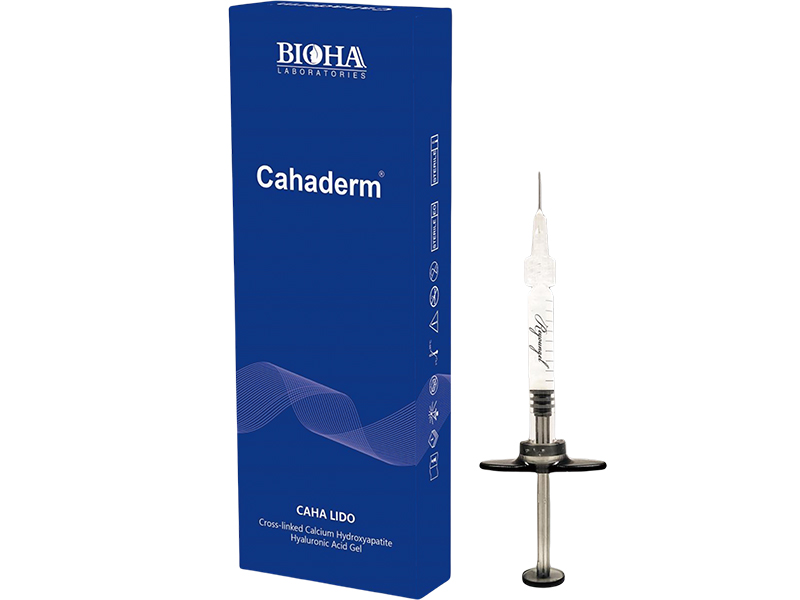
Particle size: .10–.15 mm (as specified above).
Option | Best for | Typical strengths | Typical limitations/considerations |
Fine line HA filler (e.g., Bioha® Fine Line Filler) | Superficial, thin lines (periorbital/perioral) | Precise correction; natural look when properly placed; targeted design for small lines | Requires trained injector; not intended for deep volume restoration |
Standard HA filler (higher viscosity/larger particle) | Moderate/deeper folds; contouring | Stronger lift/structure | In very superficial placement may be more visible or feel less natural |
Botulinum toxin injections | Dynamic expression lines | Can soften muscle-driven lines | Less effective for etched-in static lines; treatment cycle varies by patient |
Energy-based devices (laser/RF) | Texture, collagen remodeling | Can improve overall skin quality | Multiple sessions; downtime/PIH risk depends on device/skin type |
Topical skincare (retinoids, sunscreen) | Prevention/maintenance | Daily routine; broad benefits | Slower results; limited correction for established etched lines |
Context reference: Botulinum toxin — https://en.wikipedia.org/wiki/Botulinum_toxin
In cross-linked HA fillers, safety and longevity are influenced by raw material origin, cross-linking chemistry, residual cross-linker levels (e.g., BDDE), and controlled degradation behavior.
In medical aesthetics, safety is the currency of trust. A product’s technical specifications are not just data points; they are promises of efficacy and security. The Bioha Fine Line Filler is built on a foundation of uncompromising quality control, making it a low-risk, high-reward addition to your portfolio.
Key to its safety profile is its non-animal origin and an exceptionally low BDDE residual of < .2 μg/g, far exceeding industry standards. BDDE is the cross-linking agent used in HA production, and minimizing its residue is crucial for superior biocompatibility and reduced risk of adverse reactions. Furthermore, our cross-linking technology ensures slow and uniform degradation of the HA gel within the skin. This means the results are not only immediate but also long-lasting, providing patients with enduring value. This prolonged efficacy is critical for building a loyal customer base that returns for maintenance treatments.
Reference: 1,4-Butanediol diglycidyl ether (BDDE) — https://en.wikipedia.org/wiki/1,4-Butanediol_diglycidyl_ether
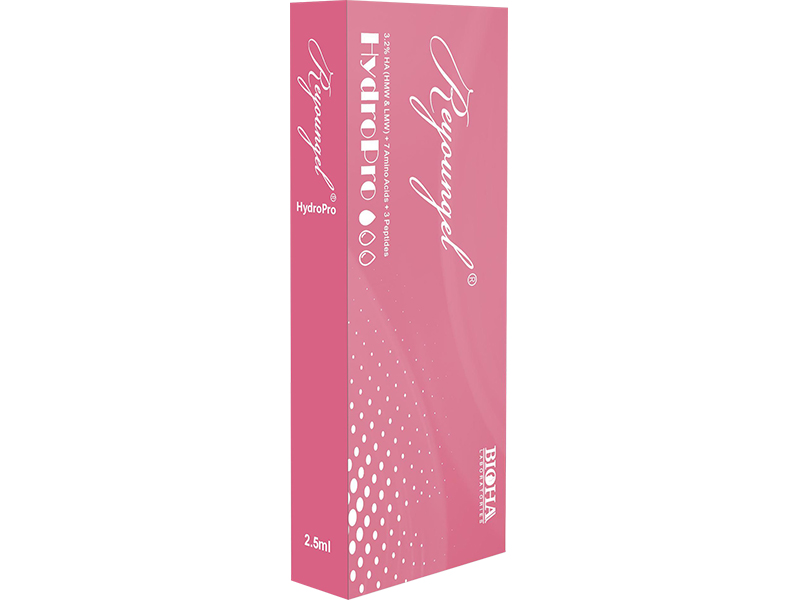
BDDE residual: < .2 μg/g (as specified above).
For distributors, a “cornerstone” filler is a high-demand SKU that clinics can adopt easily and reorder consistently due to predictable handling, indications coverage, and compliance readiness.
For distributors and wholesalers, portfolio diversification with proven winners is key to sustainable growth. The Bioha Fine Line Filler is not just a single product; it’s a gateway to capturing the burgeoning market for targeted anti-aging treatments. Its ability to deliver “optimal results with low injection volume” is a significant value proposition for clinics, making treatments more efficient and cost-effective. This product is highly recommended for indications like periorbital lines, worry lines, and perioral lines, covering high-demand areas.
Backed by a robust quality control system—partnering with Singapore-Swiss labs, certified under UK BSI ISO 13485, and bearing the EU CE mark—every syringe embodies reliability. Our multi-language customer service, flexible order customization, and dedicated technical support for after-sales ensure that your business operations are smooth and scalable.
What is a fine line filler best used for?
Fine line fillers are typically used for thin, superficial lines such as periorbital lines (crow’s feet area), worry lines, and perioral lines where a natural finish is prioritized.
How is Bioha® Fine Line Filler positioned versus standard HA fillers?
It is positioned as a specialized option for superficial dermal integration, supported by its calibrated particle size (.10–.15 mm) and smooth gel handling profile described in the article.
What does “BDDE residual < .2 μg/g” mean for buyers?
It is a quantified specification indicating very low residual cross-linker content, commonly referenced as part of a product’s biocompatibility and quality-control narrative.
What indications are mentioned in this article?
The article mentions periorbital lines (crow’s feet), worry lines, and perioral lines as recommended indications.
What quality signals are referenced for distributor confidence?
The article references Singapore-Swiss lab partnership, UK BSI ISO 13485 certification, and an EU CE mark as quality/compliance signals.
How do distributors/importers inquire about terms and support?
Use the contact page to ask for lead time, customization options, after-sales technical support, and commercial terms.
Aging anxiety is a universal driver, and the demand for precise, safe solutions is insatiable. The Bioha Fine Line Filler is strategically positioned to meet this demand head-on.