English

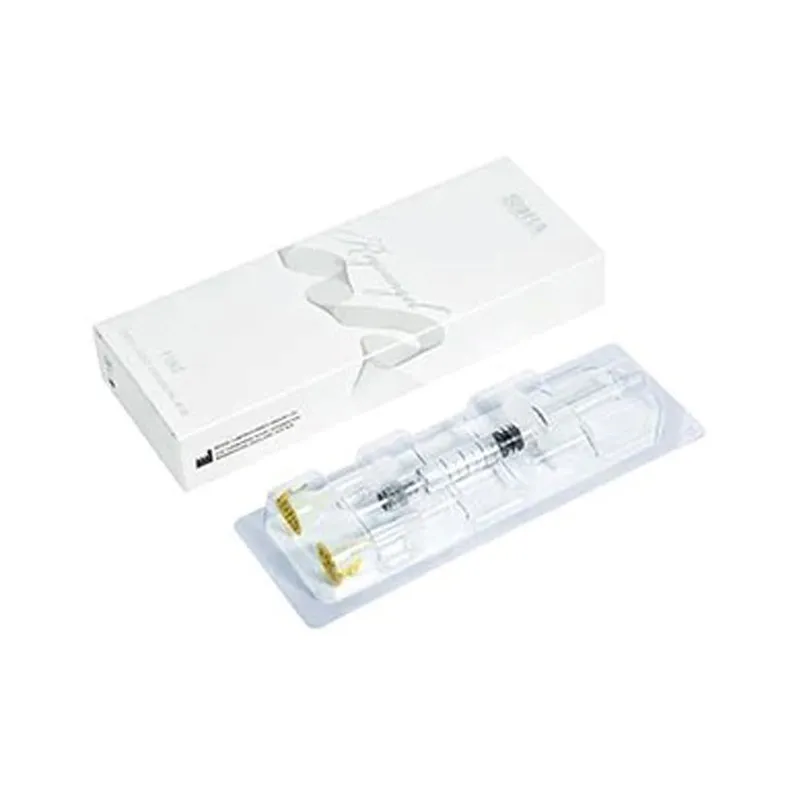
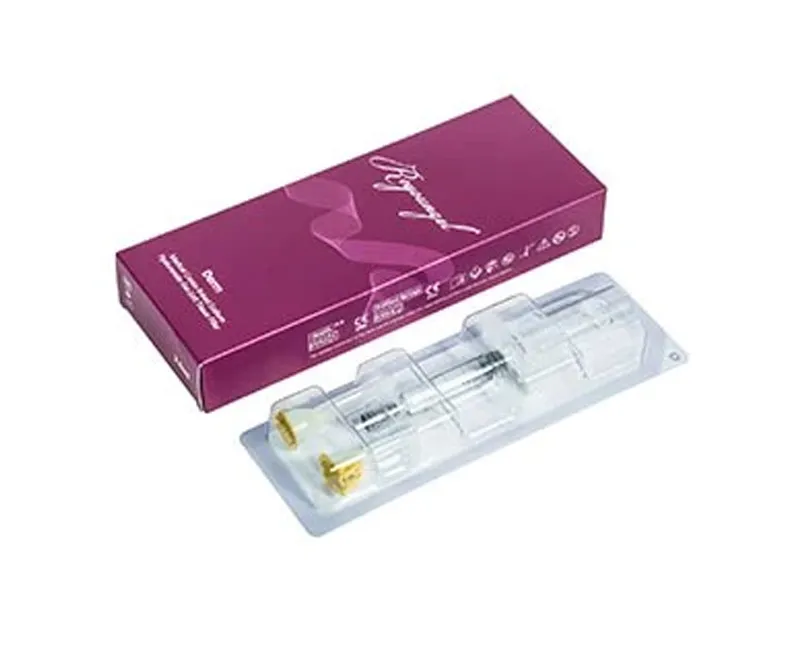
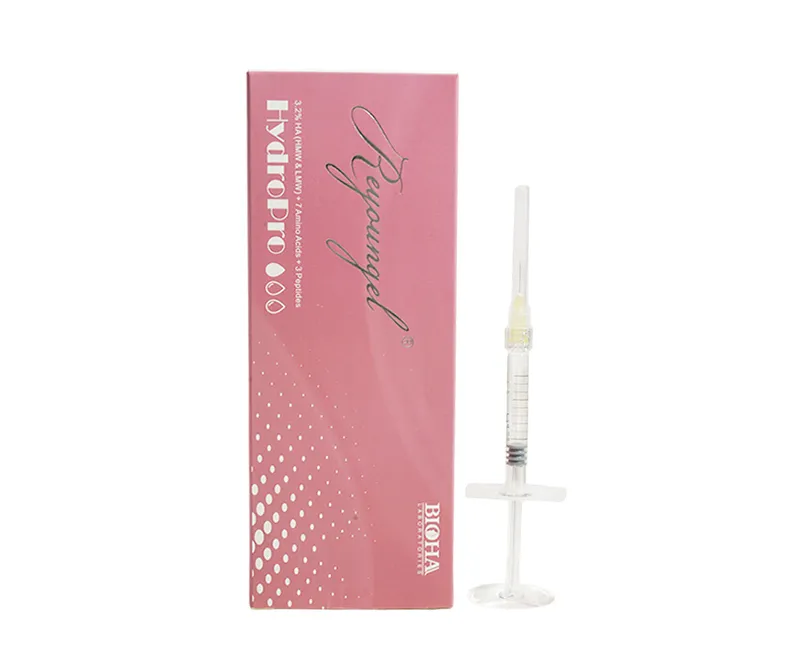
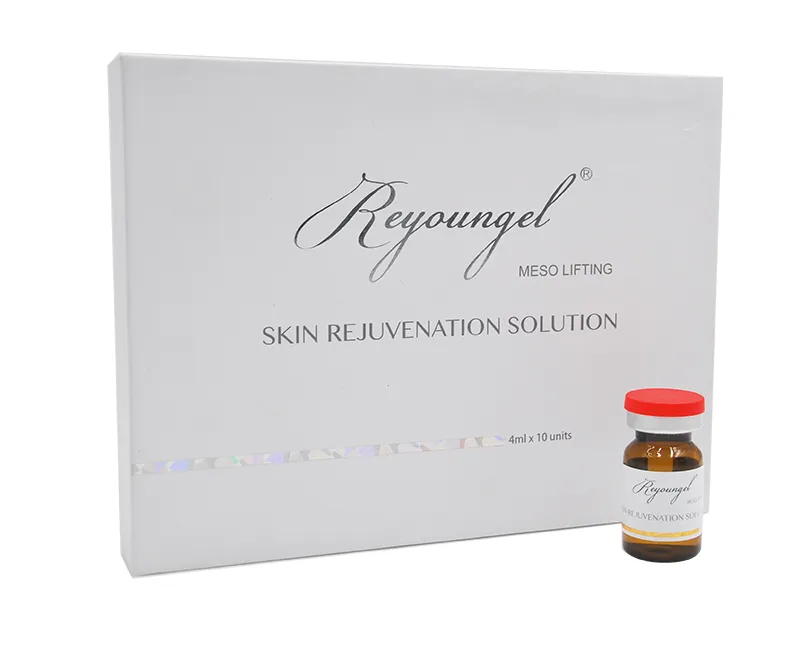
While traditional dermal fillers can do an excellent job of smoothing and volumizing the facial skin, the results they offer tend to be relatively short-term. For long-lasting skin rejuvenation, one of the major keys is to increase the production of collagen, which is an important protein that helps to keep your skin firm, full, and hydrated. At Bioha, we offer several regenerative fillers, which can stimulate increased production of collagen, allowing for longer-lasting results than other injectable cosmetic treatments.
Regenerative fillers are injectable treatments designed to support longer-term skin rejuvenation by combining volume enhancement with collagen-related bio-stimulation.
Regenerative fillers are innovative injectable treatments that can offer all of the following benefits:
Enhanced facial volume
Smoother, firmer skin
A more youthful facial appearance
Increased collagen production
Long-lasting, natural-looking results
No recovery time
Improved self-confidence
Reduced fine lines and wrinkles
Outbound link (Wikipedia): Collagen — https://en.wikipedia.org/wiki/Collagen

Regenerative fillers use specific active ingredients (e.g., PLLA or calcium-based compounds) to enhance volume while triggering the body’s collagen production over time.
While traditional dermal fillers are made with synthetic hyaluronic acid, regenerative fillers utilize other active ingredients, such as poly-L-lactic acid or calcium hydroxylapatite. These fillers are formulated to both enhance the volume of your facial skin and trigger your body to increase its collagen production. This leads to long-lasting skin rejuvenation.
Outbound link (Wikipedia): Poly-L-lactic acid — https://en.wikipedia.org/wiki/Poly(lactic_acid)
Outbound link (Wikipedia): Hydroxyapatite — https://en.wikipedia.org/wiki/Hydroxyapatite
This section compares traditional fillers and regenerative fillers by ingredient type, timeline, duration, and collagen stimulation.
Regenerative Fillers vs. Traditional Dermal Fillers
| Factor | Traditional Fillers | Regenerative Fillers |
|---|---|---|
| Main ingredient | Hyaluronic acid | PRF, PLLA, calcium-based compounds |
| Results timeline | Immediate | Gradual, builds over time |
| Typical duration | 6–12 months | 1–2 years or more |
| Collagen stimulation | No | Yes |
| Best for | Sculpting, quick fixes | Natural rejuvenation, long-term improvements |
What are regenerative fillers?
They are injectable treatments described in the article as supporting collagen production while also enhancing facial volume for longer-lasting rejuvenation.
How are regenerative fillers different from traditional dermal fillers?
The article explains that traditional fillers are made with synthetic hyaluronic acid, while regenerative fillers use other active ingredients (e.g., PLLA or calcium-based compounds) and are designed to stimulate collagen.
Are results immediate?
The comparison in the article states traditional fillers are immediate, while regenerative fillers are gradual and build over time.
How long do results last?
The article provides the numbers: traditional fillers typically last 6–12 months, while regenerative fillers last 1–2 years or more.
What benefits are listed in the article?
Benefits listed include enhanced facial volume, smoother and firmer skin, increased collagen production, long-lasting natural-looking results, no recovery time, improved self-confidence, and reduced fine lines and wrinkles.
How can clinics or distributors request details and cooperation terms?
Use the contact page to request product information, MOQ, lead time, and support.
The future of aesthetic medicine is regenerative. The shift from passive filling to active bio-stimulation is defining the new standard of care.